 EZ Shadow
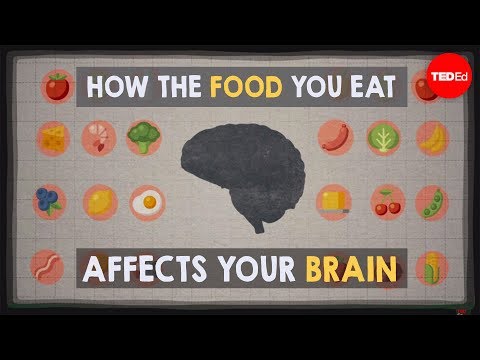
How the food you eat affects your brain - Mia Nacamulli
BeginnerAmerican accentAnimated lesson5 min
Shadow this video one sentence at a time: listen, say it back, and get a score for every word.
Hard words
The longest, least common words in this video. Say them slowly before you start.
- neurotransmitters
- norepinephrine
- micronutrients
- attentiveness
- carbohydrates
- combinations
- degenerative
- combination
Transcript: 33 sentences
Tap a sentence to start the drill right there.
- 0:06 Your Brain on Food If you sucked all of the moisture out of your brain and broke it down to its constituent nutritional content, what would it look like?
- 0:18 Most of the weight of your dehydrated brain would come from fats, also known as lipids.
- 0:25 In the remaining brain matter, you would find proteins and amino acids, traces of micronutrients, and glucose.
- 0:33 The brain is, of course, more than just the sum of its nutritional parts, but each component does have a distinct impact on functioning, development, mood, and energy.
- 0:45 So that post-lunch apathy, or late-night alertness you might be feeling, well, that could simply be the effects of food on your brain.
- 0:55 Of the fats in your brain, the superstars are omegas 3 and 6.
- 1:00 These essential fatty acids, which have been linked to preventing degenerative brain conditions, must come from our diets.
- 1:07 So eating omega-rich foods, like nuts, seeds, and fatty fish, is crucial to the creation and maintenance of cell membranes.
- 1:17 And while omegas are good fats for your brain, long-term consumption of other fats, like trans and saturated fats, may compromise brain health.
- 1:27 Meanwhile, proteins and amino acids, the building block nutrients of growth and development, manipulate how we feel and behave.
- 1:36 Amino acids contain the precursors to neurotransmitters, the chemical messengers that carry signals between neurons, affecting things like mood, sleep, attentiveness,
- 1:47 and weight.
- 1:49 They're one of the reasons we might feel calm after eating a large plate of pasta, or more alert after a protein-rich meal.
- 1:57 The complex combinations of compounds in food can stimulate brain cells to release mood-altering norepinephrine, dopamine, and serotonin.
- 2:08 But getting to your brain cells is tricky, and amino acids have to compete for limited access.
- 2:13 A diet with a range of foods helps maintain a balanced combination of brain messengers, and keeps your mood from getting skewed in one direction or the other.
- 2:24 Like the other organs in our bodies, our brains also benefit from a steady supply of micronutrients.
- 2:30 Antioxidants in fruits and vegetables strengthen the brain to fight off free radicals that destroy brain cells, enabling your brain to work well for a longer period of time.
- 2:41 And without powerful micronutrients, like the vitamins B6, B12, and folic acid, our brains would be susceptible to brain disease and mental decline.
- 2:52 Trace amounts of the minerals iron, copper, zinc, and sodium are also fundamental to brain health and early cognitive development.
- 3:01 In order for the brain to efficiently transform and synthesize these valuable nutrients, it needs fuel, and lots of it.
- 3:08 While the human brain only makes up about 2% of our body weight, it uses up to 20% of our energy resources.
- 3:17 Most of this energy comes from carbohydrates that our body digests into glucose, or blood sugar.
- 3:24 The frontal lobes are so sensitive to drops in glucose, in fact, that a change in mental function is one of the primary signals of nutrient deficiency.
- 3:35 Assuming that we are getting glucose regularly, how does the specific type of carbohydrates we eat affect our brains?
- 3:42 Carbs come in three forms: starch, sugar, and fiber.
- 3:47 While on most nutrition labels, they are all lumped into one total carb count, the ratio of the sugar and fiber subgroups to the whole amount
- 3:56 affect how the body and brain respond.
- 3:59 A high glycemic food, like white bread, causes a rapid release of glucose into the blood, and then comes the dip.
- 4:08 Blood sugar shoots down, and with it, our attention span and mood.
- 4:12 On the other hand, oats, grains, and legumes have slower glucose release, enabling a steadier level of attentiveness.
- 4:21 For sustained brain power, opting for a varied diet of nutrient-rich foods is critical.
- 4:27 When it comes to what you bite, chew, and swallow, your choices have a direct and long-lasting effect on the most powerful organ in your body.
More Beginner videos
 What would happen if you didn’t sleep? - Claudia AguirreBeginnerAmerican accentAnimated lesson4 min
 What makes muscles grow? - Jeffrey SiegelBeginnerAmerican accentAnimated lesson4 min
 How to practice effectively...for just about anything - Annie Bosler and Don GreeneBeginnerAmerican accentAnimated lesson5 min